I hit BQ — and the door still closed
Ten years, two cutoffs, and what running taught me that ended up in NexRex.
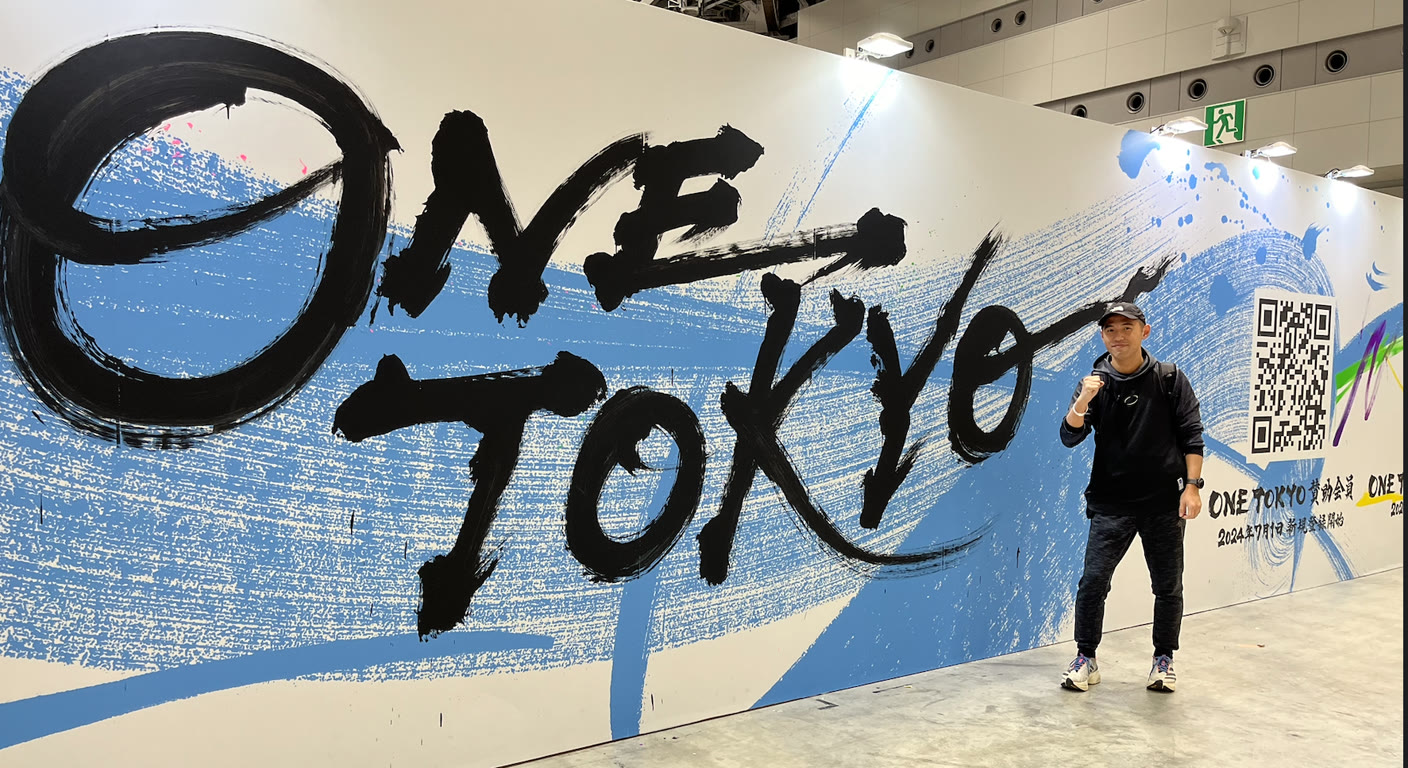
2017, Gold Coast. Beautiful weather.
I ran a personal best: 3:08:31. My age-group Boston qualifying standard was 3:10:00. I was 1 minute 29 seconds under.
But that year’s real cutoff to get into Boston was 3 minutes 23 seconds under the standard. In other words, I needed 3:06:37.
I had a BQ. I still didn’t get into Boston.
In 2022 I tried again and ran 3:17:47. The standard was 3:20. When registration opened, the cutoff was more than five minutes. The door closed again.
Having the same thing happen twice is hard to accept. You feel like you did everything you were supposed to do — and the door still shuts in your face.
I’ve wished for this for ten years. Every year I leave a seat for it. I still will.
Those ten years also taught me something slower: what I was missing might not be a harder plan, and it wasn’t only more willpower. Running, a lot of the time, needs someone who shows up every day and actually knows you — a person, or a partner.
The story starts with the first time I hit the wall.
You can let yourself down. You can’t let your teammate down.
2011, Taipei Marathon — my first full marathon. 4:55.
The time wasn’t the point. After 33K I hit the wall. At 40K I started cramping. My body kept telling me to stop. Every step I wondered whether to quit right there.
But Joey was next to me.
I didn’t finish because I was especially tough. I finished because I didn’t want him carrying it alone.
That day I finally understood: you run your own race, but you don’t have to carry it alone. When someone is beside you in the pain, you’re more willing to take one more step.
A lot of races after that, I finished with Joey. From my first marathon on, I knew running was never only about me.
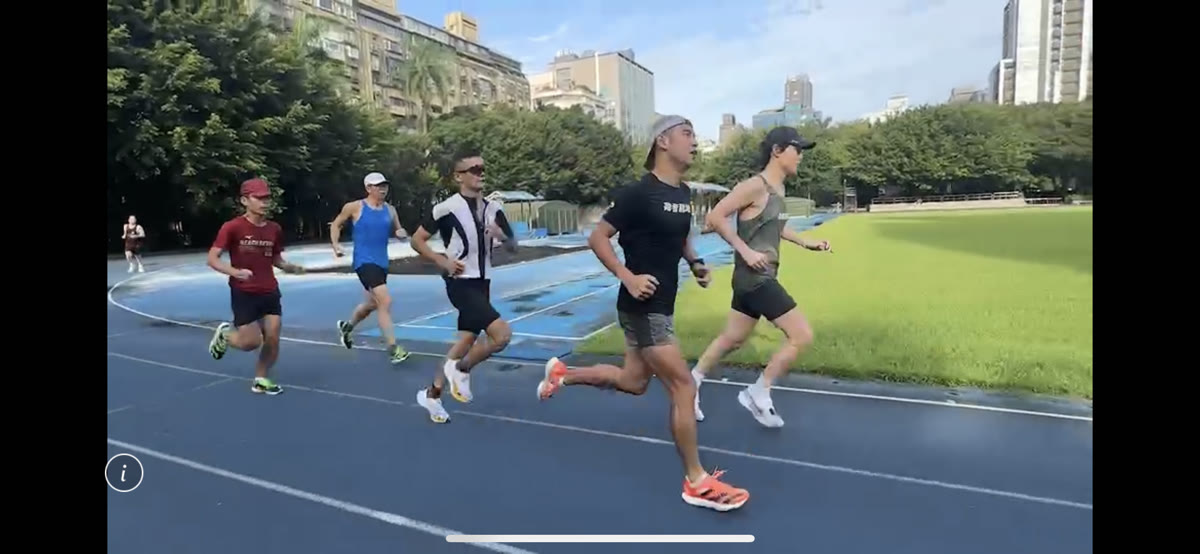
Perfect weather — and I still blew it
I’ve run Tokyo a few times. Once, weather was great, I felt great, the pace plan looked right.
I got excited, went out too fast, cramped at 30K, and the rest fell apart.
In Chicago I took an energy gel I hadn’t practiced with, got nauseous, and the second half collapsed.
Marathons are cruel. The moment you’re on the start line, a lot is already decided. One fueling choice, one careless early mile — months of training can turn out differently.
So I started caring less about the finish-line number alone, and more about the whole journey.
Every training day, every fist bump after intervals, the photos from races — those are what’s really yours. The result is an outcome. The process is what stays.
I learned to lead teams the way I run marathons
In the years I led engineering teams at IBM and Appier, running kept teaching me how to manage.
Being a good pacer matters more than being the one who surges first. Hard work and recovery matter equally — without recovery, even a strong team doesn’t make it to the finish.
When a product was growing fast and everyone was pushing, I also watched teams hold each other up. It felt a lot like after 35K in a marathon: you’re both tired, and you still go forward together.
Pain is inevitable — but not every kind of pain should be toughened through
Haruki Murakami wrote: “Pain is inevitable. Suffering is optional.”
I’ve always liked that line. After enough years of running, I think it’s missing something.
When pain shows up, you have to tell whether your body is actually in trouble, or your mind just wants to escape. Those two voices sound alike. They are not the same thing.
Smart training isn’t grinding through everything, and it isn’t quitting every time something feels off. It’s knowing when to push, when to stop, and when to adjust.
A canned training plan can’t make that call for you.
I want Rex to be everyone’s Joey
I used to believe that if you finished the plan, the results would follow.
Then I learned: a lot of people can finish the plan. Far fewer keep running for years.
Coaches know their runners best — but even the best coach has limited time and attention. No one can watch every detail for every athlete, every day.
In 2021 I met Coach Hsiao-Wei, who later became my co-founder. We started asking: between coach and runner, is there something that could be filled in better?
In 2022 I started Runner Network as a side project. By 2025, AI could more reliably understand long stretches of training data — and I saw a real opening.
The Rex I want to build isn’t another dashboard, and it isn’t just a calendar.
I want it to remember the road you’ve been on. The knee that bothered you eight months ago. That the last time you hit the wall might have been because you went out too fast. That you’ve actually been tired for a while.
It isn’t here to replace the coach, and it isn’t here to tell you to tough it out. When you need to decide, it should help you and your coach see fuller context — and take a better next step.
Joey ran those last ten kilometers with me. I want more runners to feel that someone is walking the road with them.
That’s the thing I most want to do with this life.
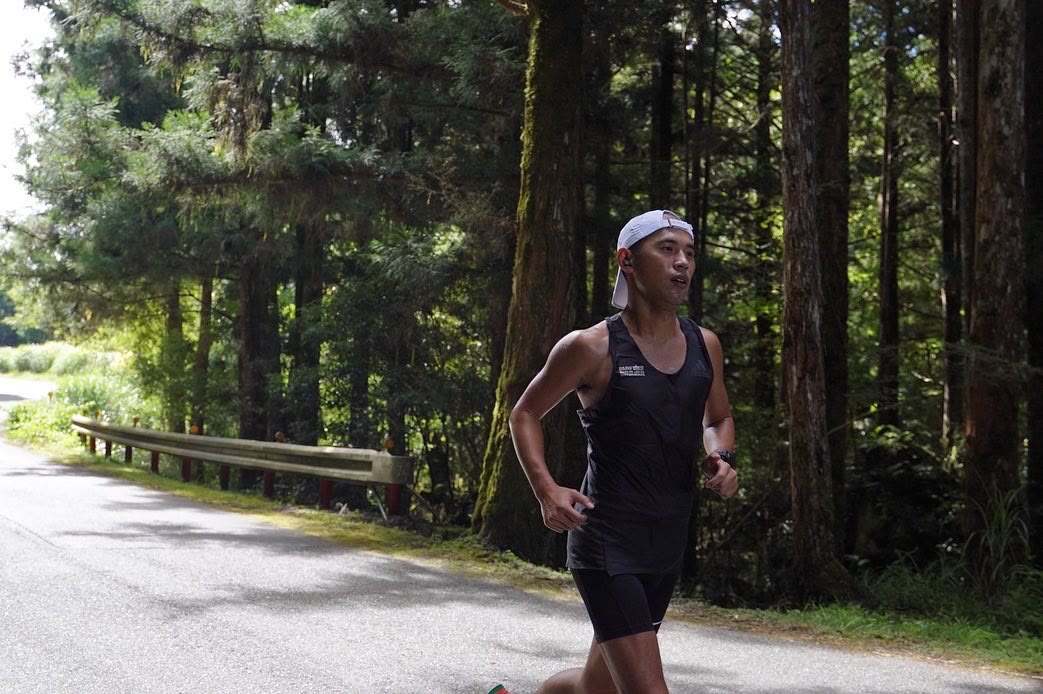
I’m an engineer, a product person, and a runner still chasing a BQ. Boston is still ahead. I haven’t given up.
Next target: a Gold Coast BQ in 2027.